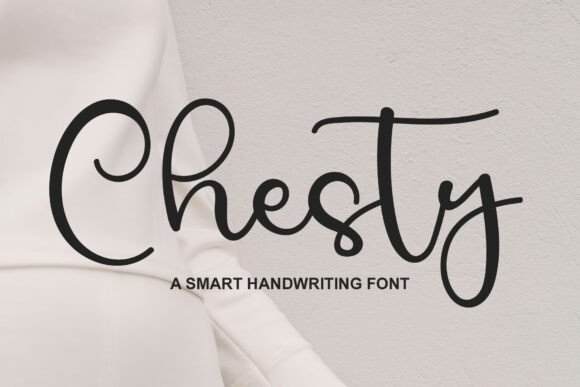
Chesty: A Classy Script Font
Chesty is a script font that blends elegance with boldness, offering a vintage touch that feels both timeless and modern. As a web designer, I appreciate how it adds character to digital layouts without sacrificing clarity. Its fluid strokes and graceful curves make it ideal for headers, logos, and other design elements where visual appeal meets functionality.
When used in web design, Chesty can elevate the tone of a brand. It works well for creative portfolios, boutique online stores, and coaching websites where a personal, artisanal feel is important. The font’s dynamic flow ensures it stands out while maintaining legibility across different screen sizes and backgrounds.
Using Chesty in Web Design
For website headers and hero sections, Chesty brings a sense of sophistication. It pairs beautifully with clean sans serif fonts for body copy, creating a balanced contrast that improves readability. In call-to-action areas, its bold yet fluid style draws attention without overwhelming the user.
On landing pages, Chesty can be used for short phrases or taglines. Its personality shines through in product titles, course headlines, and blog graphics. When designing for online stores, it adds a touch of luxury to banners and promotional content, making the brand feel more exclusive and refined.
In digital ads and social media graphics, Chesty helps create eye-catching visuals that align with brand identity. Its handwritten quality gives a personal touch, which is especially effective for lifestyle brands, fashion retailers, and creative services.
Readability and Visual Hierarchy
While Chesty is a display font, it maintains good readability when used appropriately. For mobile screens, it’s best to keep text size large and avoid using it for long paragraphs. On responsive layouts, ensure that the font scales well and doesn’t lose clarity on smaller devices.
When placing Chesty over dark backgrounds or image overlays, use a light color or add a subtle shadow to improve contrast. For small buttons or icons, consider using a lighter weight or a simplified version of the font to maintain legibility.
As a web designer, I often use Chesty for section headings and decorative accents. It adds a unique flair to portfolio sites and brand kits without distracting from the overall layout. Its versatility allows it to work in both modern and retro-themed designs, depending on the brand’s aesthetic.
Font Pairing and Brand Identity
Chesty pairs well with simple sans serif fonts for body text, creating a clean and professional look. This combination is great for SaaS landing pages, blog posts, and e-commerce sites where readability is key. For editorial designs, pairing it with a serif font enhances the overall visual rhythm and creates a more traditional feel.
When working on branding projects, Chesty can be used for logo design, packaging, and marketing materials. Its handwritten style adds warmth and authenticity, making it perfect for indie brands, art studios, and boutique businesses. The font’s multilingual support also makes it a reliable choice for global audiences.
For commercial use, check the licensing terms to ensure compliance. Whether you’re using Chesty for a client project, an online store, or a digital template, having the right license is essential. Many premium fonts like Chesty offer webfont availability, making it easy to integrate into websites and apps.
Practical Applications of Chesty
On a creative portfolio site, Chesty can be used for project titles and artist names, giving the page a polished and artistic look. For a coaching website, it adds a personal touch to service headings and testimonials, reinforcing trust and professionalism.
In course sales pages, Chesty helps highlight key benefits and features, drawing the reader’s eye to important information. When used in blog headers, it sets the tone for the content and creates a cohesive visual language across the site.
For digital brand kits, Chesty provides a consistent typeface that reinforces the brand’s personality. Whether it’s for social media graphics, email newsletters, or print collateral, the font maintains a strong visual identity that resonates with the target audience.
As a designer, I always recommend testing fonts in real layouts before finalizing a design. Chesty’s versatility makes it a valuable addition to any design toolkit, especially when the goal is to create a memorable and engaging online experience.
Final Thoughts on Chesty
Chesty is more than just a font—it’s a tool for storytelling and brand expression. Its blend of class and boldness makes it a standout choice for web designers looking to add personality to their projects. Whether used for headers, logos, or decorative elements, it brings a unique energy that enhances the overall design.
With its focus on readability and visual harmony, Chesty supports a wide range of digital applications. From landing pages to social media graphics, it offers a fresh approach to typography that aligns with modern design trends and brand needs.
For those exploring premium fonts, Chesty is a solid choice that combines style with practicality. Its adaptability and aesthetic appeal make it a go-to option for web designers, UI creators, and digital product developers who want to elevate their work with a touch of elegance and character.