Notebook Handwriting Font
There’s something about a handwritten font that feels personal, authentic, and full of character. I recently found myself in a situation where I needed a typeface that could bring warmth and a touch of human touch to a brand project. That’s when I discovered Notebook Handwriting. It’s not just another script font—it’s a versatile daily font that can elevate a wide range of design projects to the highest level.
Working on a branding project for a small, independent café, I was looking for a font that could capture the cozy, inviting vibe of the space. The owner wanted something that felt approachable but still had a refined edge. Notebook Handwriting fit perfectly. Its soft curves and natural flow gave the brand a sense of personality without being too flashy or hard to read.
The Visual Appeal of Notebook Handwriting
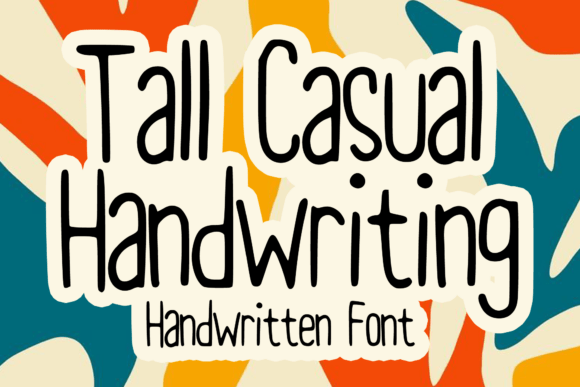
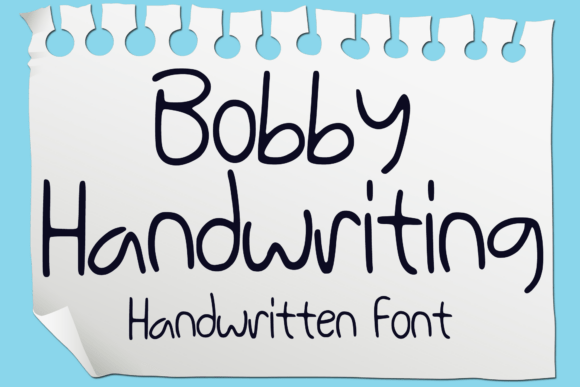
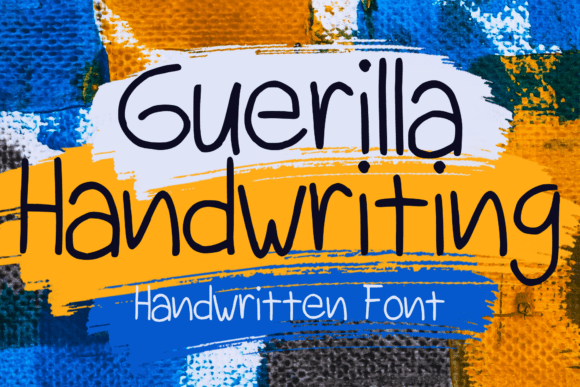
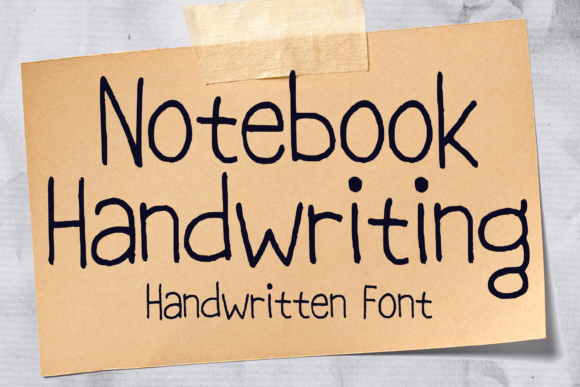
From the moment I opened the font file, I was drawn to its visual characteristics. It has a casual yet polished look, with a slightly irregular stroke that mimics real handwriting. This makes it feel more organic than many other script fonts, which often come off as too perfect or artificial. The font has a friendly mood, making it ideal for brands that want to connect with their audience on a more personal level.
I tested it on a logo draft and immediately saw how it could work. The font’s structure allows for clear letterforms while maintaining a sense of movement. It’s not overly ornate, so it doesn’t distract from the message. Instead, it enhances it with a subtle elegance that works well in both digital and print formats.
Using Notebook Handwriting in Branding
As I moved into the brand identity phase, I used Notebook Handwriting for everything from business cards to signage. On a shop sign, it added a warm, welcoming feel that matched the café’s interior design. On a business card, it stood out without being overwhelming. The font’s readability made it easy to use for short text like taglines, headings, and product names.
One of the things I appreciated most was how it worked in different contexts. For social media graphics, it brought a sense of creativity and authenticity. In a poster design, it helped create a visual hierarchy that guided the viewer’s eye naturally. Whether it was a website header or a flyer, Notebook Handwriting maintained its charm and clarity.
Best Uses for Notebook Handwriting
While Notebook Handwriting is suitable for everyday use, it really shines as a display or headline font. It’s not the best choice for long paragraphs of body text, but as an accent or supporting typeface, it adds a unique flair. Pairing it with a serif or sans serif font can create a balanced and professional look. For example, using it alongside a clean, modern sans serif for body text helps keep the design legible while still allowing the script font to stand out.
I also noticed that it works well with other handwritten or script fonts. When paired with a more formal script, it can add a layer of contrast that makes the overall design more dynamic. But even on its own, it holds its own and brings a sense of personality to any project.
Practical Tips for Using Notebook Handwriting
If you’re considering using Notebook Handwriting in your own projects, there are a few things to keep in mind. First, test it in different sizes and weights. Some script fonts can become less readable at smaller sizes, so it’s important to see how it looks in your specific application. Also, check the included styles—many premium fonts offer multiple variations that can be useful for different design needs.
Another thing to consider is multilingual support. If your project involves other languages, make sure the font covers the necessary characters. File formats matter too—depending on your workflow, you may need OpenType, TrueType, or other formats. And of course, always check the licensing terms to ensure the font is suitable for commercial use.
Final Thoughts on Notebook Handwriting
As I wrapped up the café project, I felt confident that Notebook Handwriting had played a key role in shaping the brand’s visual identity. It wasn’t just a font—it was a tool that helped tell the story of the business. Its versatility, readability, and personality made it a valuable addition to my design toolkit.
Whether you’re working on a logo, packaging, or a social media campaign, Notebook Handwriting offers a fresh and approachable option that can elevate your work. It’s a great example of how a well-designed script font can bring a sense of warmth and authenticity to any project. For designers looking for a reliable, expressive typeface, this one is definitely worth exploring.